
Technical guide · 13 Oct 2026 · 5 min read
Rack, cabinet or container: sizing a battery for your site
Why a battery's power is set by its energy at 0.5C, how much floor space each format needs, and a worked example for a factory that wants to cut its peak.
Choosing a battery for a business site comes down to two numbers and one place: how much power you need, for how long, and where the battery can stand. This guide shows how those three decide between an indoor rack, an outdoor cabinet and a container, and works through one example from start to finish.
Key points
- Many LFP batteries for business sites, including the examples in this guide, are rated at 0.5C: the battery charges or discharges its full energy in two hours. Power in kW is therefore half the energy in kWh.
- So if you size for power, energy follows, and the other way round. A site that needs 250 kW for a short peak still buys about 500 kWh.
- Floor space per kWh differs by a factor of four between the formats: about 87 kWh/m² for the rack, 187 kWh/m² for the cabinet and 340 kWh/m² for the container.
- Sizing starts from metering data: at least a year of 15-minute load data, plus solar production if you have it.
The three formats
| 112 kWh indoor rack | 261 kWh outdoor cabinet | 5 MWh 20 ft container | |
|---|---|---|---|
| Format | Indoor battery rack | Outdoor all-in-one cabinet | 20 ft container, DC block |
| Energy | 112.5 kWh | 261.2 kWh | 5,015 kWh |
| Power | About 56 kW at 0.5C, through a separate inverter | 125 kW PCS built in (150 kW option) | 2,507 kW |
| Footprint (W × D) | 1,200 × 1,080 mm | 1,400 × 1,000 mm | 6,058 × 2,438 mm |
| Energy per m² of floor | 86.8 kWh/m² | 186.6 kWh/m² | 339.6 kWh/m² |
| Weight | About 1,500 kg | About 2.7 t | 42 t |
| Installation | Dry indoor room (IP20) | Outdoors (IP55, IP67 packs) | Outdoors (IP55, C5) |
| Cooling | Forced air | Liquid | Liquid |
Figures for one current 0.5C LFP product in each format; other products on the market differ. A DC rack has no power conversion of its own, so its power is set by the inverter it is paired with.
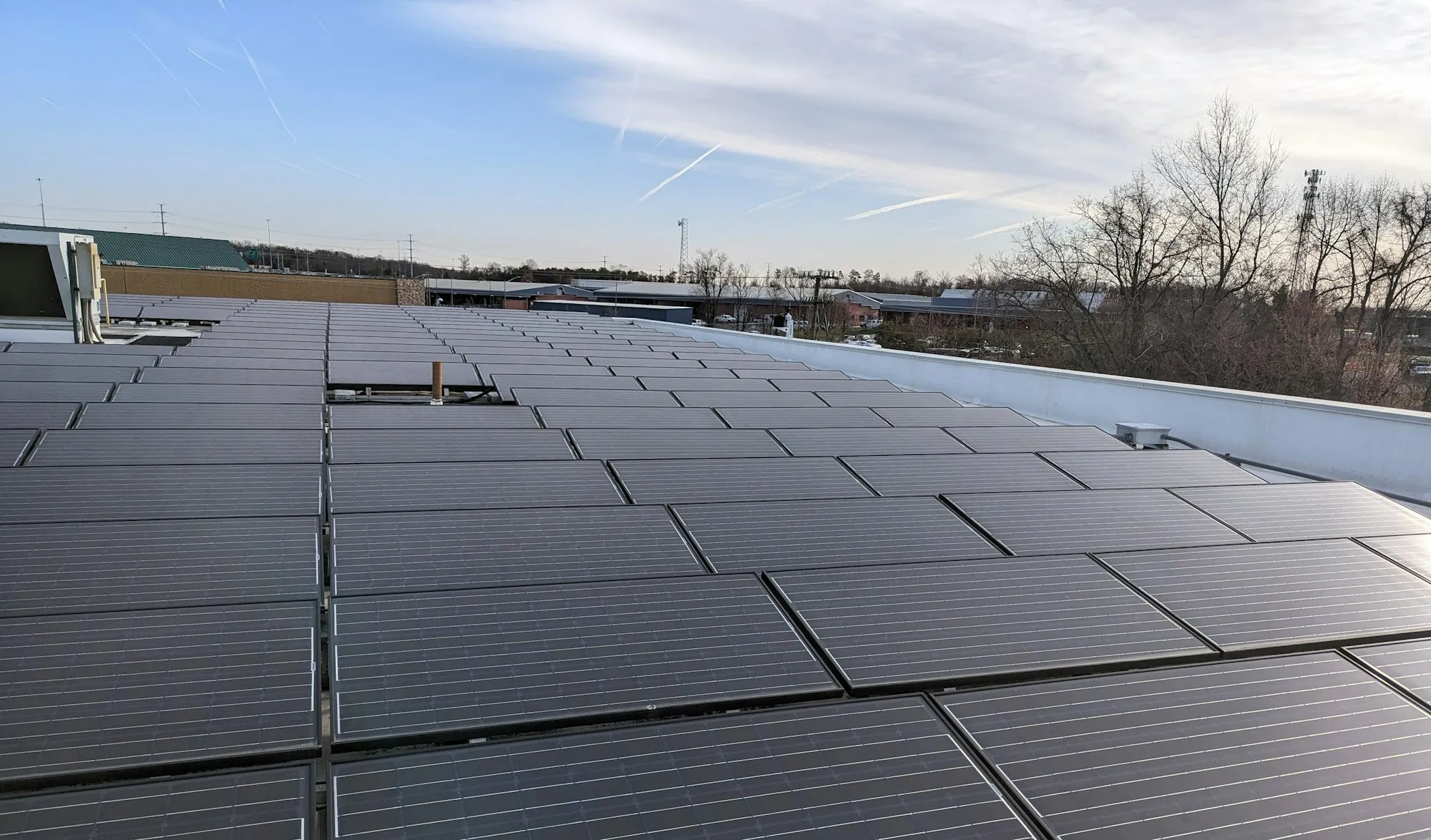
The 112 kWh indoor rack suits buildings that already have an electrical room and want storage inside, for example offices, shops and light industry with rooftop solar. It weighs the least, so it is the easiest to bring in and place.
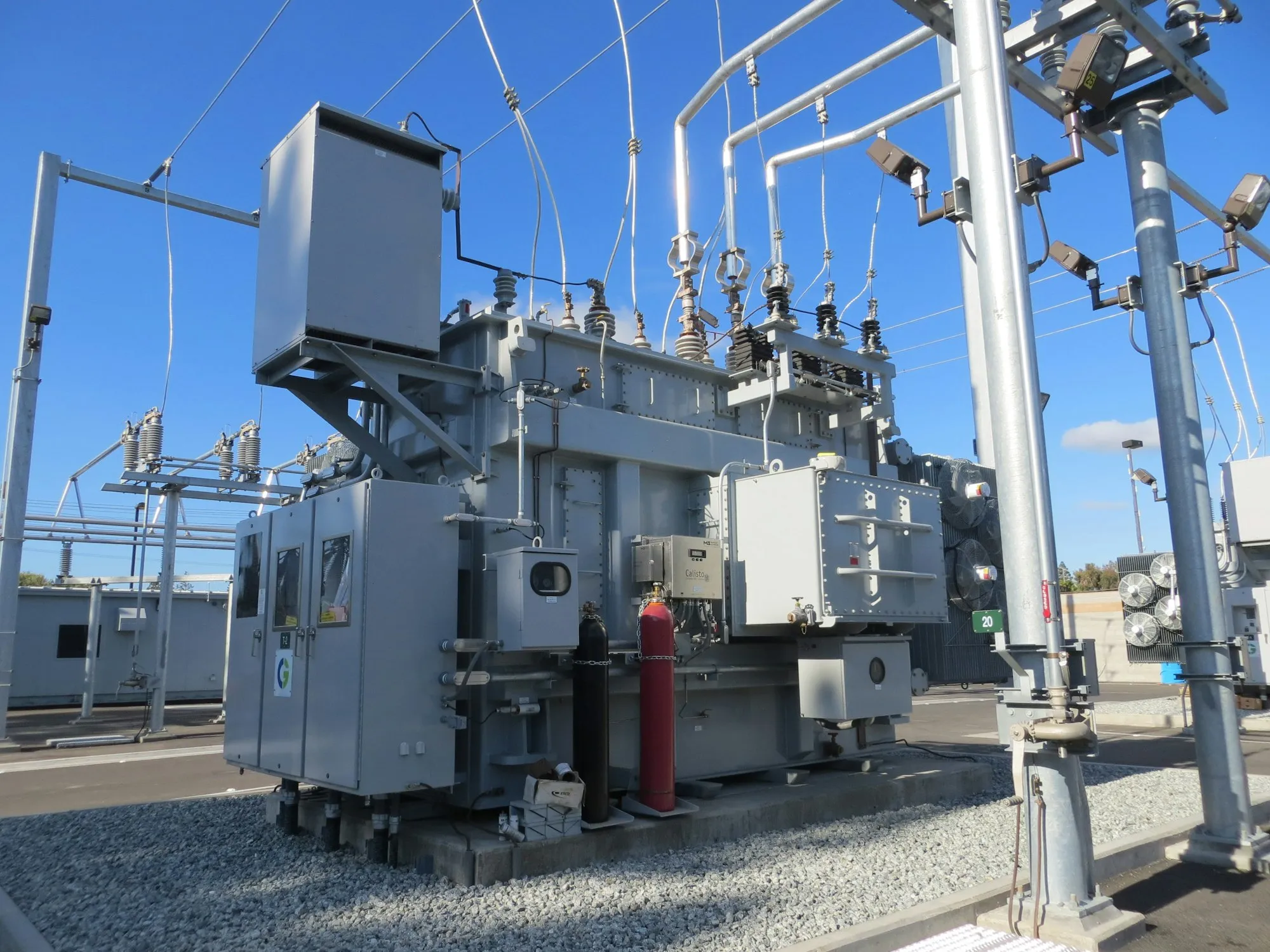
The 261 kWh outdoor cabinet is a complete system in one housing: battery, power conversion, cooling, fire protection and its own controller. It stands outdoors on a plinth next to the main switchboard and scales by adding cabinets. Most factories, logistics parks and retail sites start here.
The 5 MWh 20 ft container is for sites that need megawatts: large industrial loads, solar parks and grid-scale projects. It is a DC block: power conversion and the grid connection are planned with the project.
Why 0.5C matters
The C-rate is how fast a battery charges or discharges relative to its energy. At 1C a 100 kWh battery delivers 100 kW for an hour. At 0.5C it delivers 50 kW for two hours.
A 0.5C battery is a two-hour battery. That fits most business uses well: an afternoon peak, the evening hours after solar output falls, or the most expensive hours of a day-ahead price curve. In our analysis of Portuguese day-ahead prices for 2026, a two-hour battery earned 8 % more per installed MWh from price spreads than a four-hour battery. Most of the daily value sits in a few hours.
The consequence for sizing is simple. If what you need is power, for example to cover a short demand peak or a fast charger, the energy comes with it whether you use it all or not. If what you need is energy, for example to move a large solar surplus into the evening, the power comes with it.
Worked example: cutting a factory’s peak
Take an illustrative factory with a grid connection of 800 kW. Its metering data shows that on working days load reaches 650 kW in the afternoon, with peaks up to 900 kW lasting up to 90 minutes when two lines run together. The operator wants to stay under 650 kW so that it can add a third line without upgrading the connection.
Step 1: power. The battery has to cover 900 − 650 = 250 kW.
Step 2: energy. 250 kW for 90 minutes is 375 kWh. We add a margin of about 20 % for losses, for ageing over the system’s life and so the battery never runs fully empty: about 450 kWh usable.
Step 3: format.
| Option | Power | Energy | Floor space |
|---|---|---|---|
| 2 × 261 kWh outdoor cabinet | 250 kW | 522 kWh | 2.8 m², outdoors |
| 4 × 112 kWh indoor rack, with inverters | about 225 kW at 0.5C | 450 kWh | 5.2 m² plus inverters, indoors |
Two 261 kWh cabinets meet both needs, stand outdoors and leave the electrical room as it is. Four 112 kWh racks would need 0.5C from every rack to come close to the power and would take an indoor room. For this site, two cabinets are the better fit.
Step 4: check the rest of the day. With 522 kWh installed, the battery has time to recharge in the morning or from rooftop solar at midday. When it is not needed for the peak, the same capacity can shift solar into the evening or, where the market allows, provide grid services, as long as the energy management system keeps the reserve needed for the next peak.
What we need from you to size a system
- At least 12 months of 15-minute load data from your meter or supplier.
- Solar production data, if you have solar or plan it.
- Your grid connection size, tariff and any planned new loads.
- A site plan showing where a rack, cabinet or container could stand.
How Cubex can help
We make batteries in all three formats, all LFP and rated at 0.5C, and Cubex EMS controls them on site. Send us the data above, and an engineer will come back with a sized system and the format that fits your site.
Sources
- Cubex product datasheets for an indoor battery rack, an outdoor cabinet and a 20 ft container (Rev. 10/2026)
- Cubex outdoor cabinet user manual, V2 (power conversion ratings)
- Cubex Energy analysis of OMIE Portuguese day-ahead prices, 2024 to 2026 (see our Portugal 2026 market report)